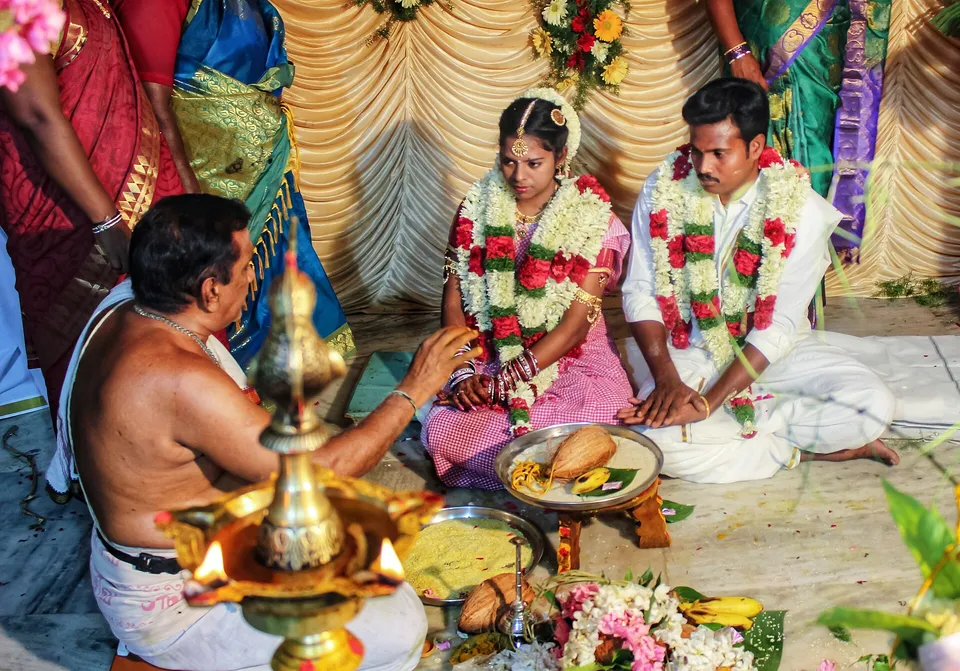
On a Tamil wedding morning there is a quiet moment before the nadaswaram begins. The bride is dressed, the jasmine is pinned, and the women of both families step back to look at the saree. More often than not it is a Kanchipuram silk — heavy, lustrous, its border catching the light of the lamps.
It is rarely just a garment. The muhurtham saree is usually chosen together, paid for with care and folded away afterwards for a daughter or a niece. Here is what makes it special, and how to choose one well.
A town that weaves
Kanchipuram, about 75 km south-west of Chennai, has been a temple town and a weaving town for centuries. Its sarees are woven by hand from mulberry silk, and Kancheepuram silk is protected as a Geographical Indication — the name belongs to sarees made there, in the traditional way.
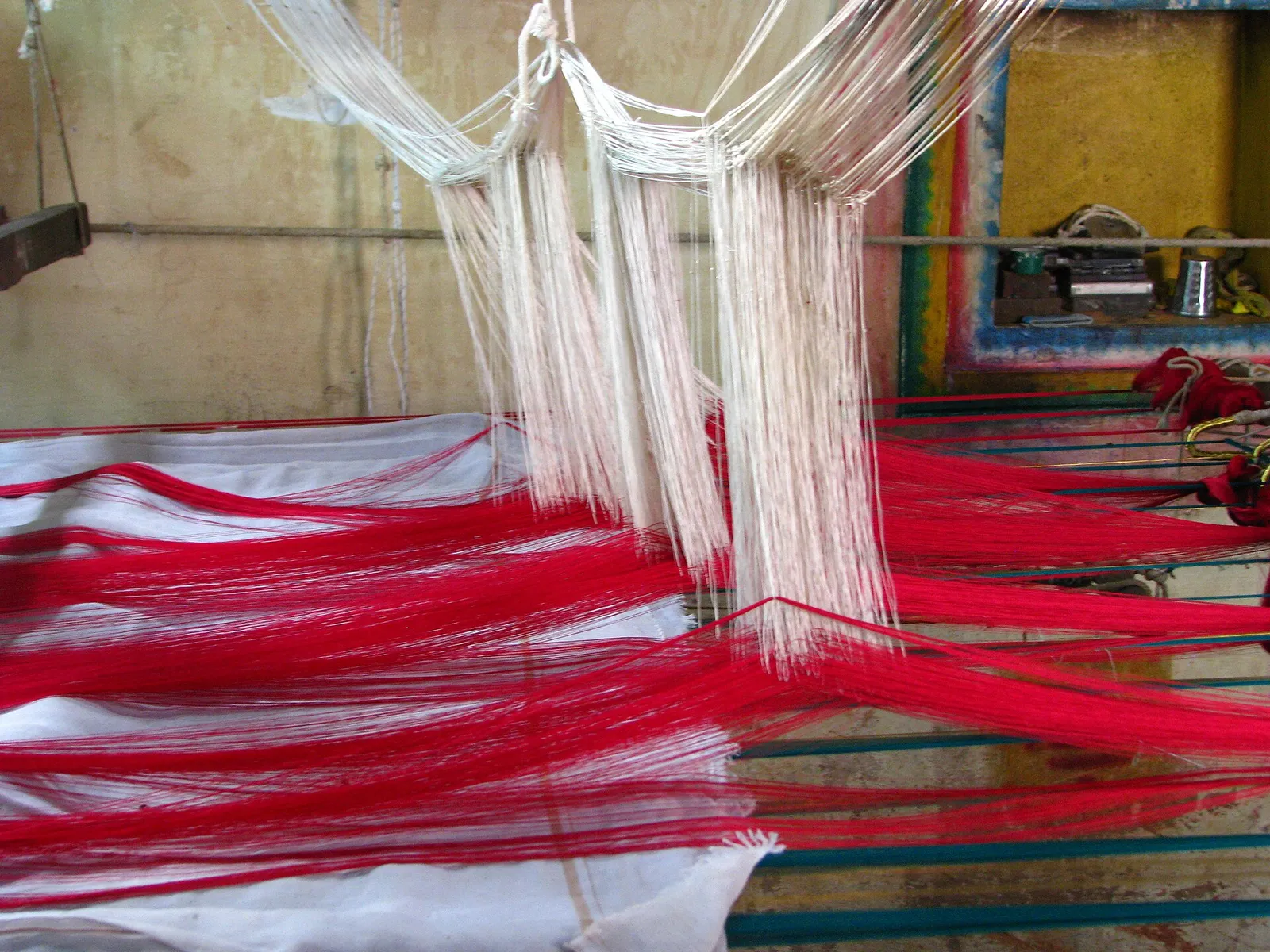
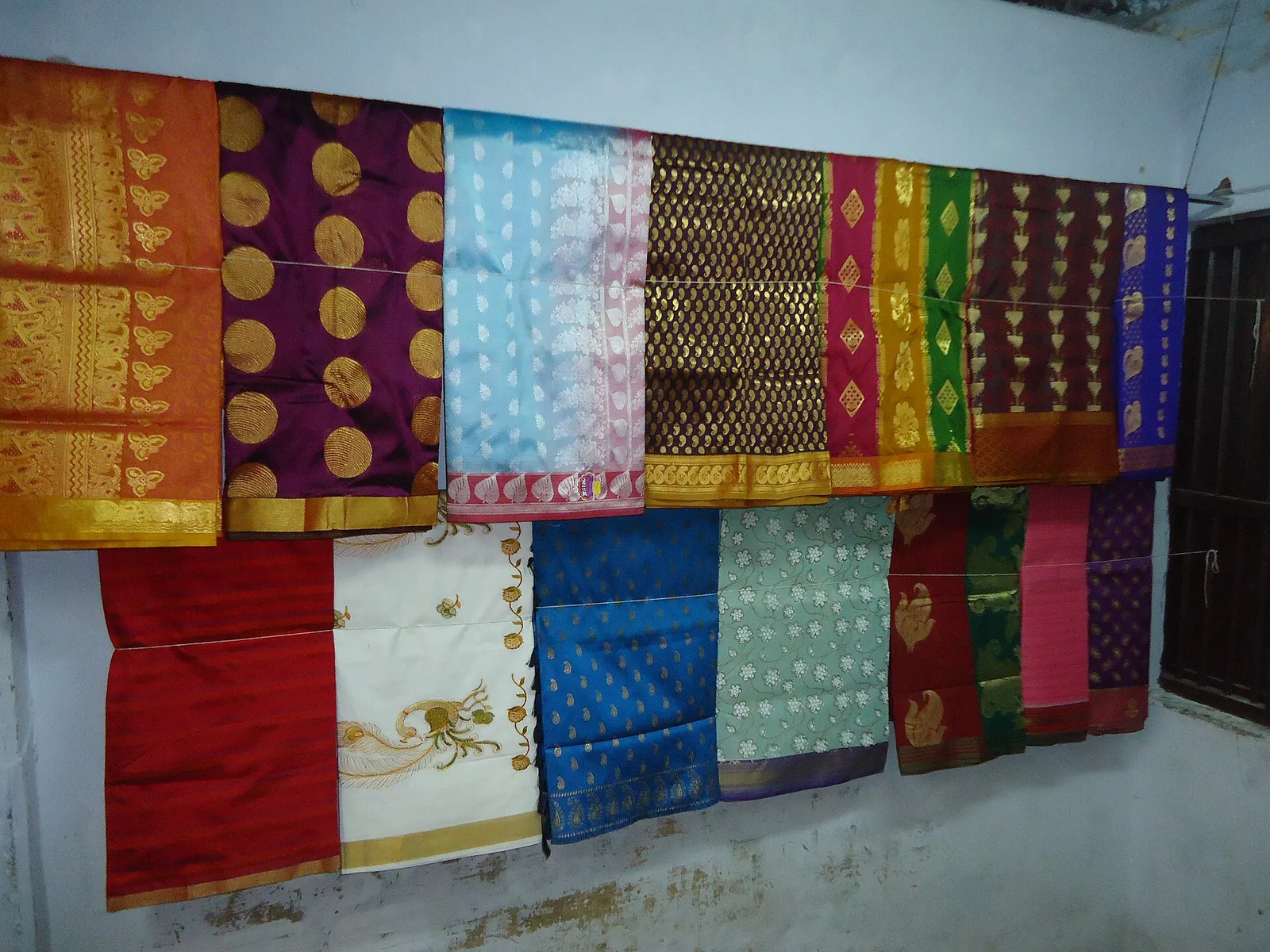
What sets these sarees apart is weight and contrast. The silk is thick, the colours are deep, and the korvai technique lets weavers join a border and body of different colours so firmly that they never come apart.
Reading the border
The motifs woven into a Kanchipuram saree come from the temples and the countryside around the town. A few you will see again and again:
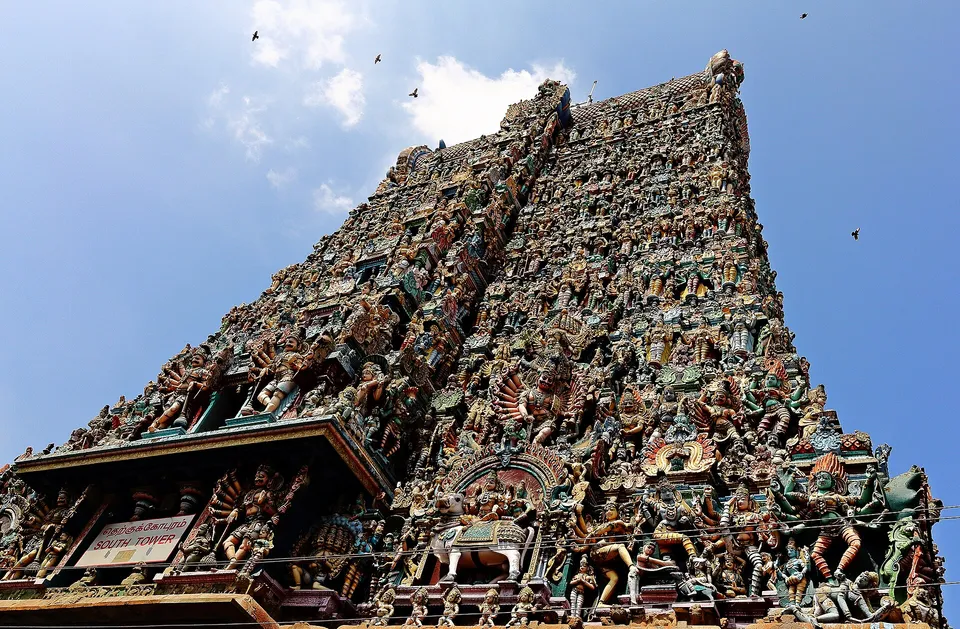
Temple border (gopuram) — rows of triangles, like a temple tower seen from the street.
Mayil — the peacock, for beauty and grace.
Annam — the swan, a symbol of discernment.
Kattam and mayil kann — checks, and “peacock’s eye” dots across the body.
A Kanchipuram saree is rarely bought for one day. It is bought for the daughter who will wear it at her own wedding.
Choosing the muhurtham saree
Colour traditions differ between communities and families, so ask the elders first. Many brides choose deep red, maroon, mustard or green for the muhurtham and keep lighter shades for the reception. Iyer and Iyengar brides often wear the nine-yard madisar for the ceremony itself.
Fix the budget before you step into a shop — the range is very wide.
Feel the weight: good silk has body and falls cleanly.
Look at the zari in daylight; real zari has a soft, even glow.
Turn the saree over and check where the border meets the body.
Think about the day itself — a heavy saree at a May muhurtham is hard work.
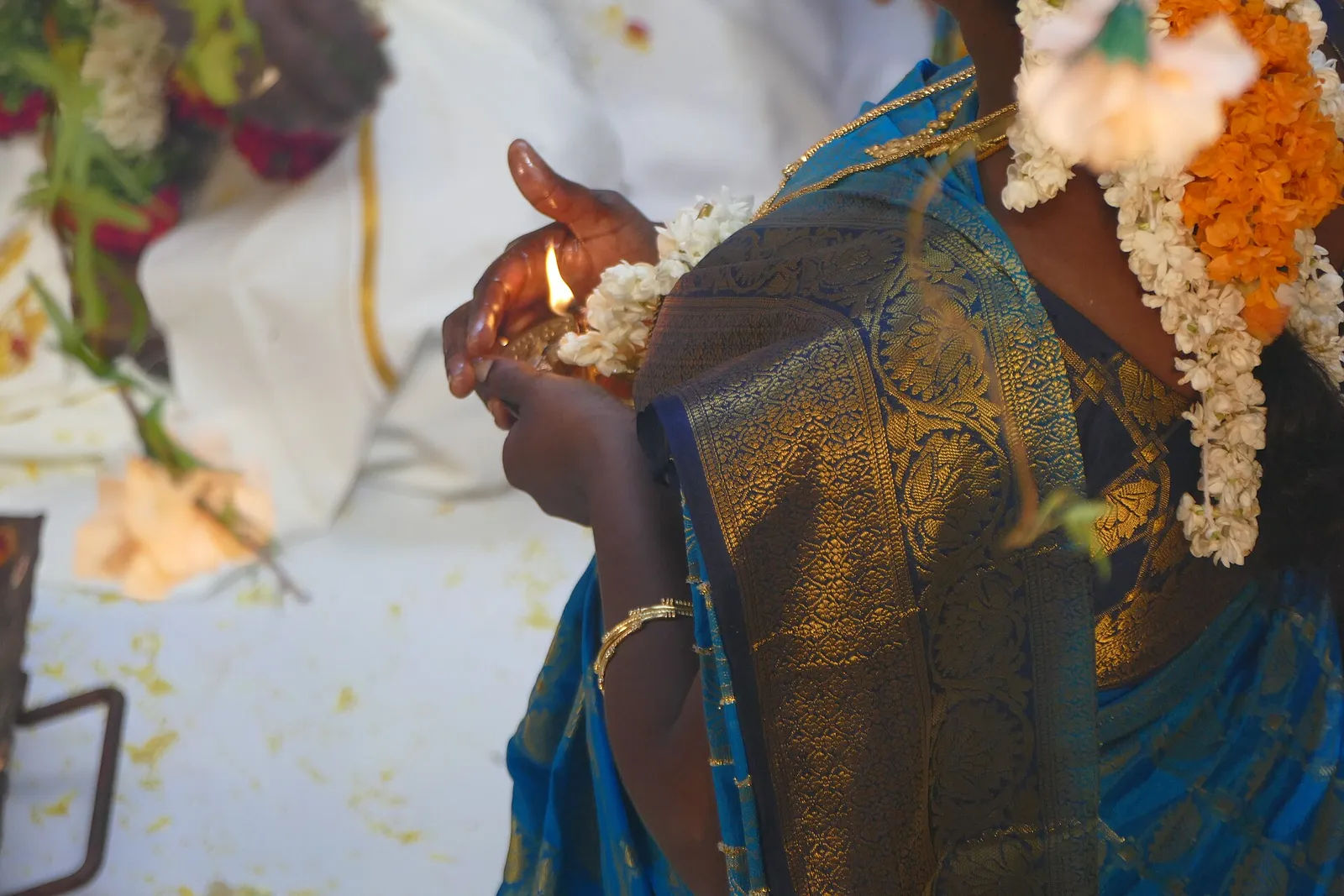
After the wedding
A silk saree lasts for generations if it is cared for. Store it wrapped in soft cotton rather than plastic, refold it along different lines every few months so the zari does not crack, and keep perfume and naphthalene away from it. Dry-clean only when it needs it.
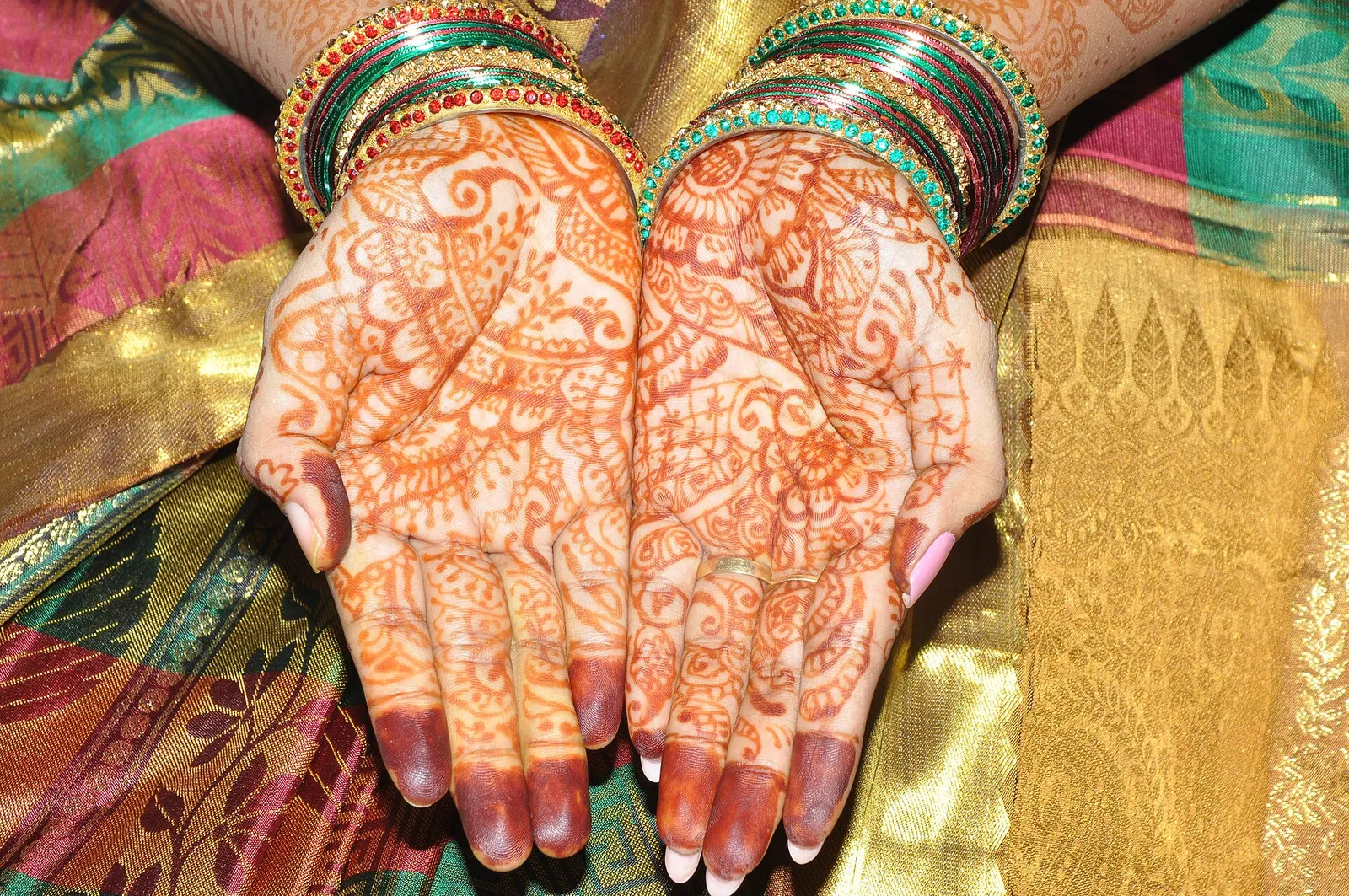
And when the time comes to begin a new search, the silk will be waiting. If your family is looking now, create a free profile or browse verified brides and grooms from every Tamil community.
Frequently asked questions
How can I tell if a Kanchipuram saree is pure silk?
Ask for the Silk Mark label, buy from a weaver or store you trust, and look at the weight and the zari in daylight. Pure silk feels substantial, and good zari has an even, soft sheen rather than a glittery one.
What colour does a Tamil bride wear for the muhurtham?
It depends on the family and community. Deep reds and maroons are the most common, along with mustard, green and orange. Many families keep lighter or pastel sarees for the reception.